If your heat pump is not turning on, you may be wondering whether it’s a quick fix or a bigger issue. In Edinburgh, winters can be long and damp; losing heat even for a few hours is very uncomfortable. The good news?
Many common problems can be solved without calling for a heat pump repair right away. Here’s how to figure out what’s wrong with your heat pump and what you can safely do before bringing in a professional.
How to Fix a Heat Pump? Step-by-Step Guide
Here are a few ways or a troubleshooting guide to fix the heat pump; otherwise, you can call heat pump experts in Edinburgh.
Step 1: Check the Thermostat and Power
Many heat pump troubleshooting calls come down to thermostat or power issues. What you have to do is set the thermostat to Heat, not Cool or Off. Keep the fan on Auto so it runs only when the system heats.
If you recently replaced the thermostat, make sure it’s compatible with your heat pump system, as some models don’t send the right signal.
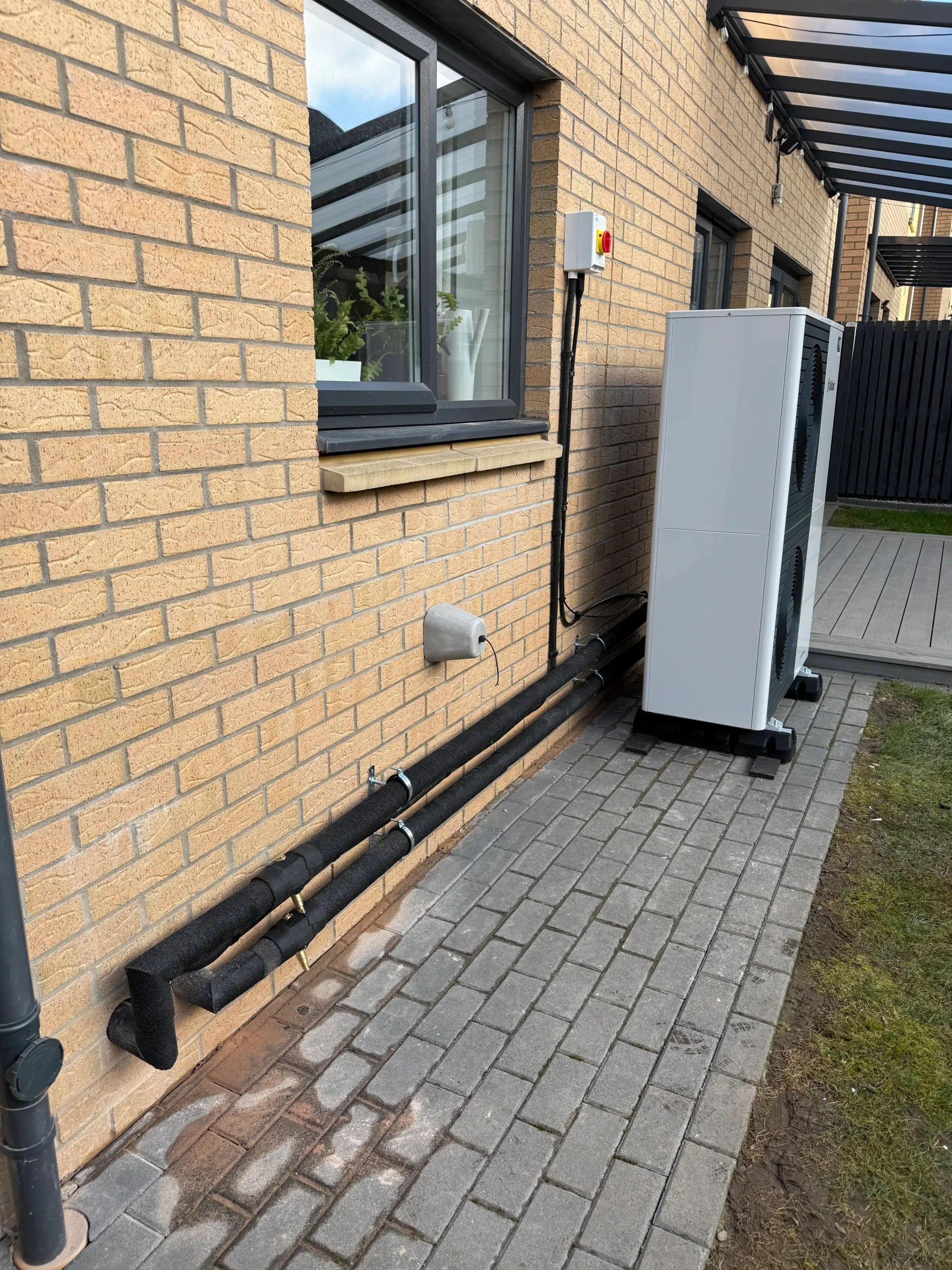
Check your power supply next. Open the fuse box and locate the tripped breaker. If the air source heat pump switch is off, reset it. Outside, turn on the isolator switch next to the unit. If power and thermostat settings are correct but the system does not work, move to the next step.
Step 2: Clear Airflow Paths Indoors and Out
No doubt, a heat pump is worth installing, but it also needs proper airflow to start and run efficiently. When air is blocked due to dirt, dust, or ice, the system can automatically shut down to prevent damage.
Inside, check the air filter. If it’s clogged or grey with dust, replace it. A dirty filter can stop your heat pump from turning on. For most homes, swapping or cleaning filters every three to four months is enough.
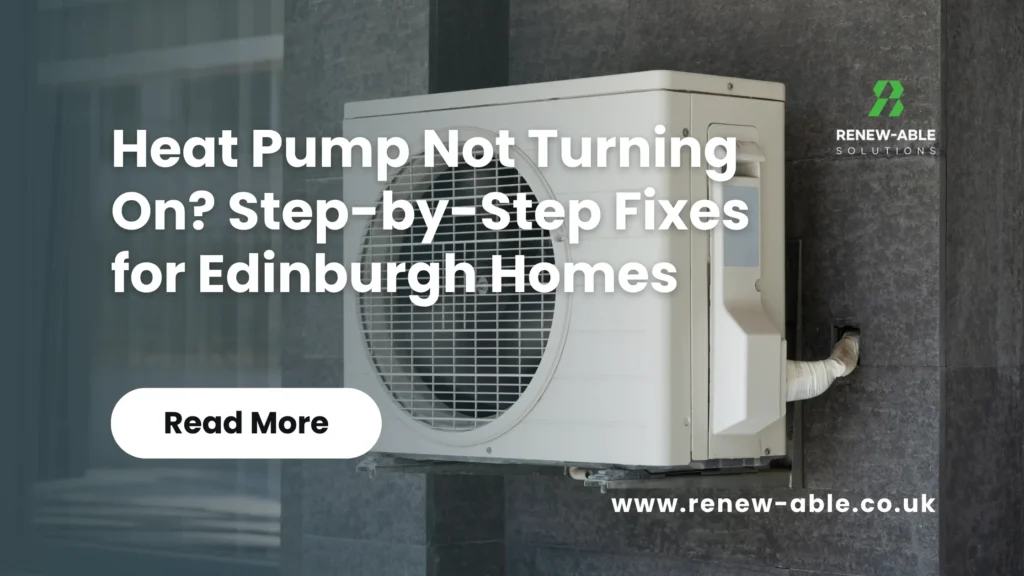
Then step outside. Look at your outdoor unit where the real airflow happens. Remove leaves, branches, or snow buildup. During cold Edinburgh winters, you might find frost or ice covering the coils.
That can trick the system into thinking it’s overheating or freezing up. Gently clear the ice and give the unit space to breathe.
For homes using radiators or underfloor heating, make sure valves are open and vents aren’t blocked by furniture or rugs. Every bit of airflow matters.
Step 3: Check Electrical or Mechanical Issues
If your heat pump is still not turning on, listen closely to the odd sounds like a faint click, a buzz, or nothing at all.
A single click with no response means the start capacitor or contactor has failed. These small electrical components give the compressor the boost it needs to start up. It’s not something you can fix safely yourself.
If the system turns on briefly and then shuts off, it points to a low refrigerant level or a refrigerant leak. Sometimes, you might even hear a soft hissing noise or see frost on the copper lines. This isn’t a DIY fix either. Handling refrigerant requires certification and proper tools.
During cold months, a faulty defrost cycle is another common cause. When your outdoor coil freezes and the reversing valve doesn’t switch properly, your heat pump may stop responding. Again, a professional can test and reset this safely.
When to Call a Heat Pump Professional for Inspection or Repair?
If you are done checking everything, but your heat pump won’t turn on, it’s time to get help. Continuing to reset or force-start a system that’s not responding can cause more damage.
You should call a qualified expert who can run diagnostics, test electrical components, inspect refrigerant pressure, and confirm whether your heat pump system is properly sized for your home.
This is especially important for Edinburgh homes, where older buildings and variable insulation can create challenges and determine how long a heat pump lasts.
Look for a company experienced in heat pump repair, Edinburgh homeowners trust ideally one that’s familiar with air source heat pumps.
How to Keep Your Heat Pump in Top Condition All Year?
You can solve a lot of heat pump not turning on issues with regular care. Preventive care is far cheaper than emergency repairs. Plus, it helps your air source heat pump run quietly, efficiently, and reliably during the cold nights of Edinburgh.
- Replace or clean air filters every few months.
- Keep the outdoor unit clear of leaves, dirt, and snow.
- Schedule annual servicing in autumn before heavy use.
- Check that your home’s insulation is in good condition, as it helps the heat pump work efficiently.
- Avoid constantly changing thermostat settings. Let the system adjust gradually.
Final Thoughts
When your heat pump won’t turn on, don’t jump straight to worst-case scenarios. Start with simple checks, and if the matter goes out of your hands, you can call the professionals. Once it’s running smoothly again, make regular heat pump maintenance part of your routine.
It keeps your home warm, your energy bills low, and your system ready for whatever Edinburgh weather throws at it.