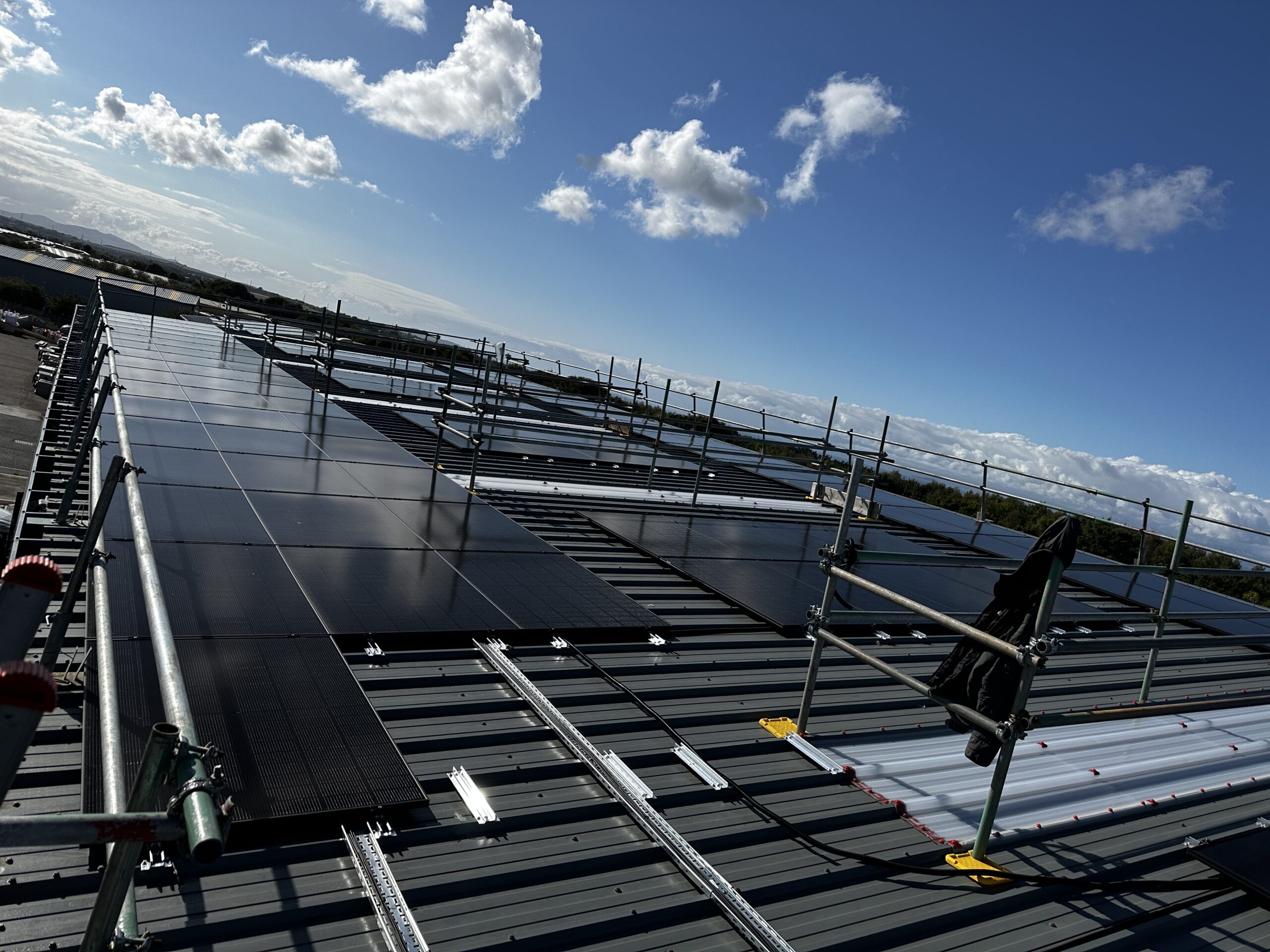
Commercial solar can benefit a landlord, tenant or both, but a tenanted building needs clearer agreements than an owner-occupied site. The parties must establish who controls the roof, who uses the electricity, who pays for the system and what happens when the lease changes.
Who benefits from the electricity?
The answer depends on the electrical connection and metering. A tenant may consume solar electricity directly, common services may benefit, or generation may be allocated through another agreed arrangement. The technical design and commercial documents must match.
Who has the right to use the roof?
The property lease, title, lender requirements and existing rights must be reviewed. Installing equipment may require landlord consent, tenant consent, a licence for alterations, a roof lease or another property agreement.
Questions to agree early
- Who buys or owns the equipment?
- Who receives electricity savings or export income?
- Who pays for maintenance and repairs?
- Who can access the roof and electrical rooms?
- How are roof leaks or damage investigated?
- What happens if the tenant leaves?
- What happens on sale, refinancing or redevelopment?
- Who removes or transfers the system at the end?
Roof condition and warranties
The landlord should understand roof age, condition and warranty before solar design. If reroofing is expected during the solar term, responsibilities for removal and reinstatement need to be addressed.
Insurance and liability
Building and business insurers may require project information. Agreements should allocate responsibilities for the equipment, loss, damage, interruption, access and reinstatement. Appropriate legal and insurance advice is important.
What about a power purchase agreement?
An onsite PPA may allow a funder to own the array while the occupier purchases solar electricity. This normally requires long-term roof or land rights, access and provisions for lease changes. All relevant parties must review the structure.
Metering and data
Metering must distinguish solar generation, onsite use and export as required by the commercial model. Landlords with multiple tenants may need additional design and contractual work; savings should not be allocated using an unsupported assumption.
A coordinated approach
Bring the landlord, tenant, facilities team, electrical designer, funder and professional advisers together early. This reduces the risk of developing a design that cannot be contracted or operated.
This is general information, not legal or property advice.