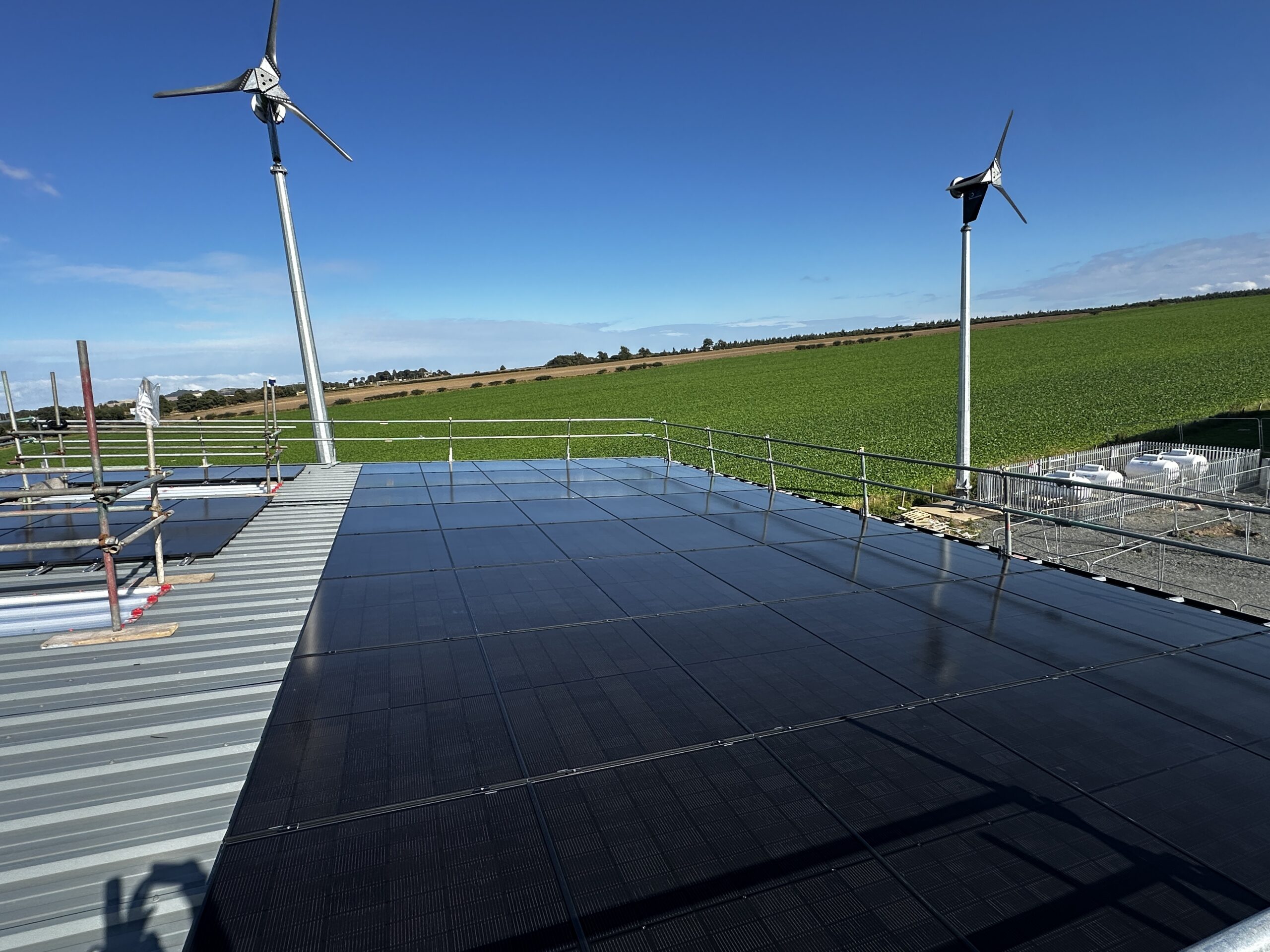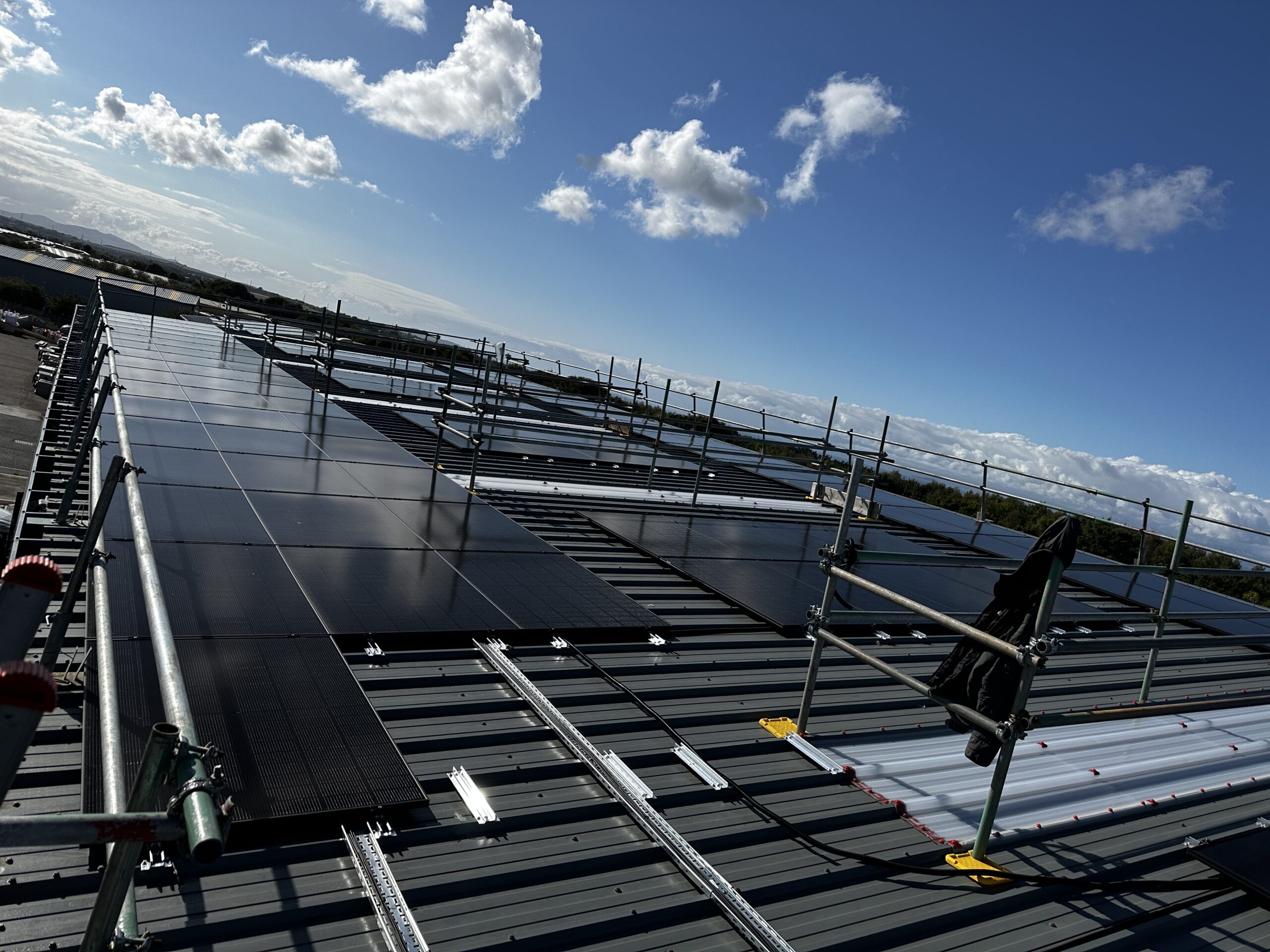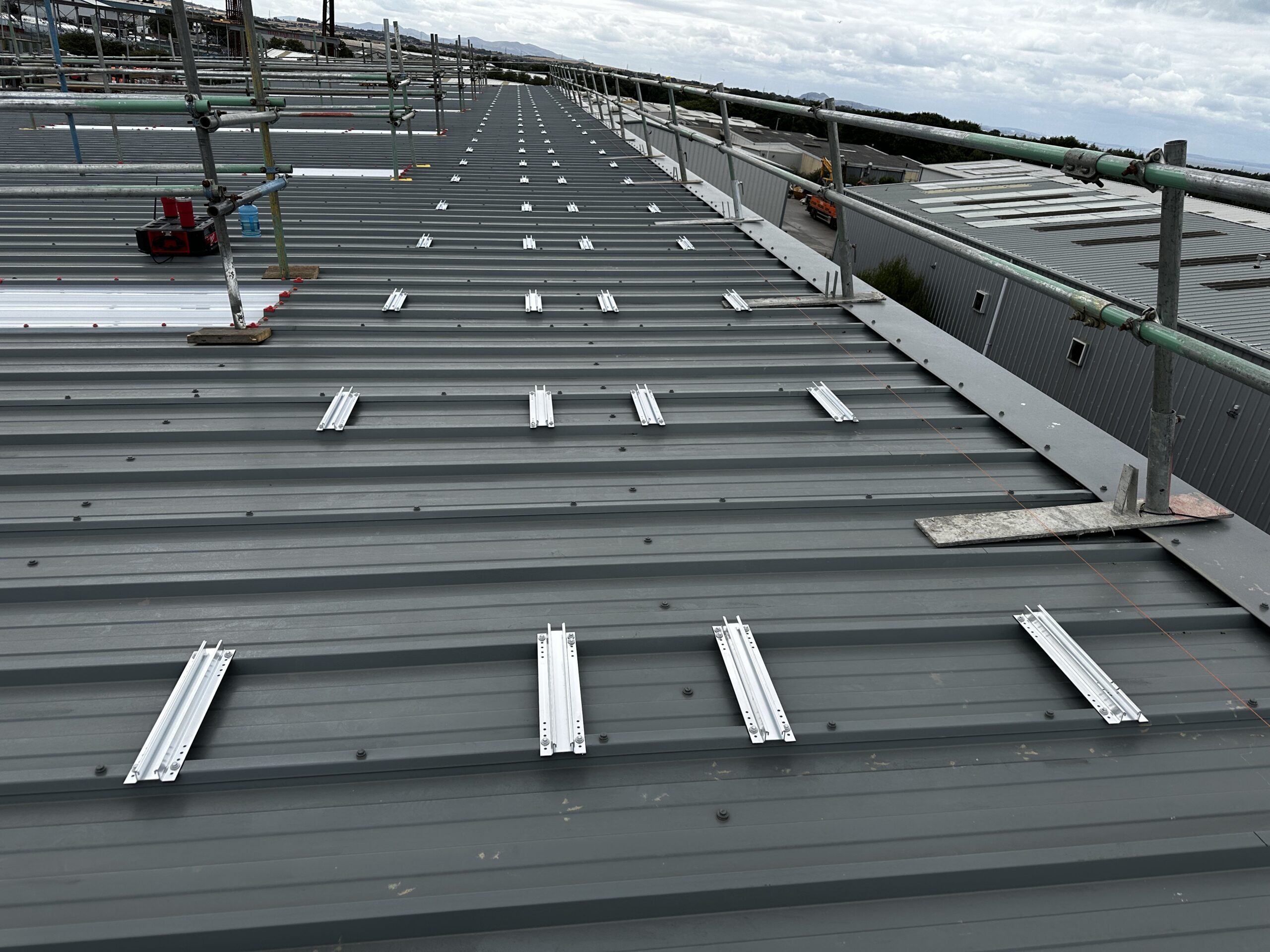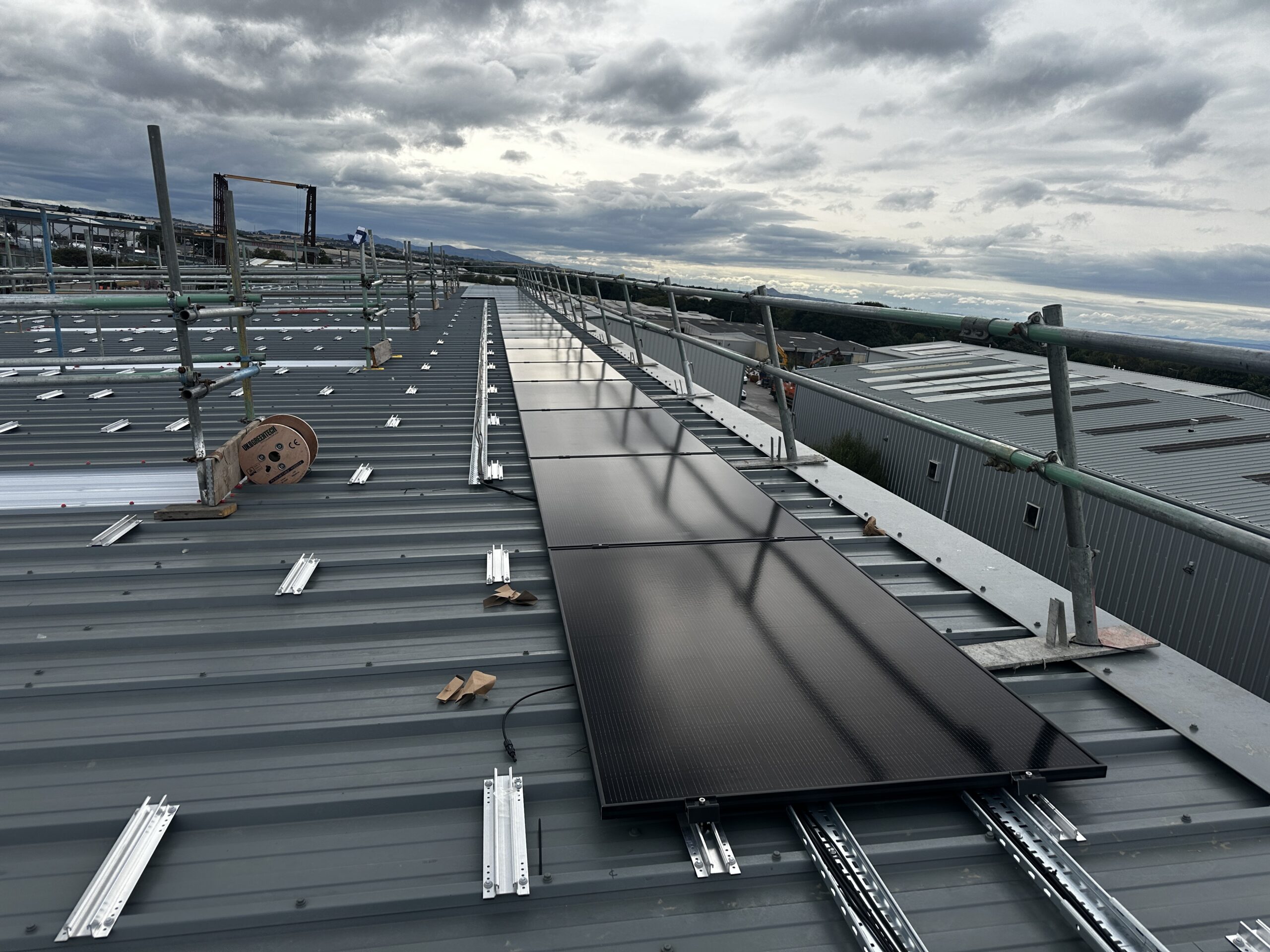
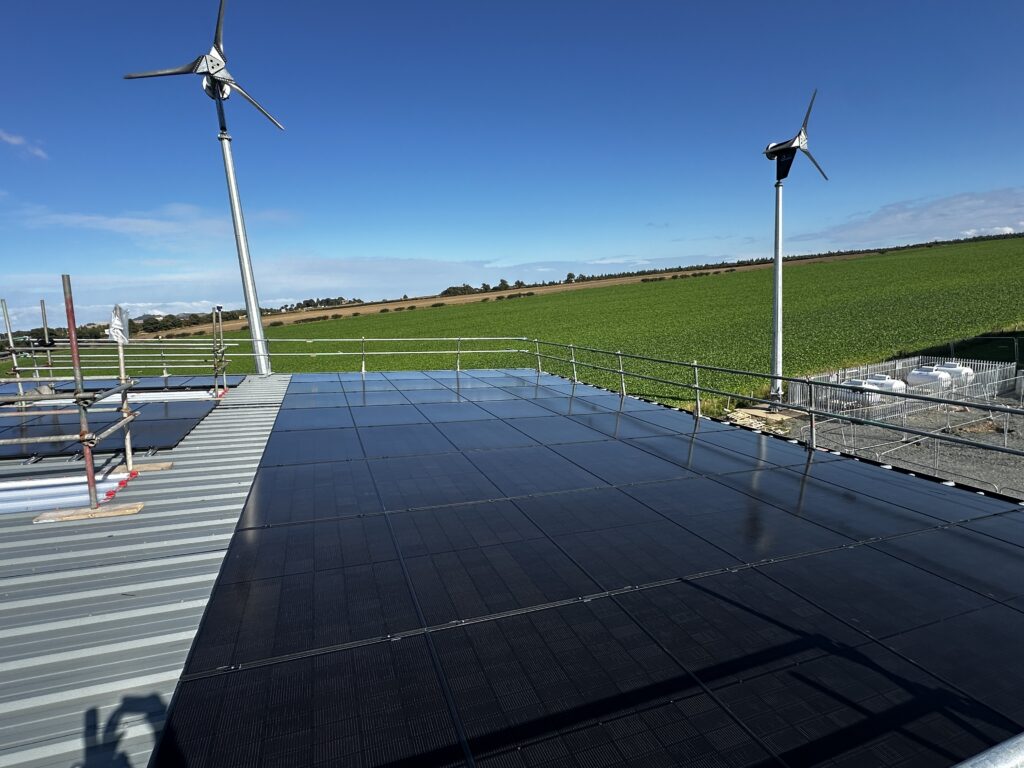
A commercial solar power purchase agreement, usually called a solar PPA, can allow a business to benefit from electricity generated on its own roof or land without buying the solar installation outright.
Instead of paying the full installation cost upfront, an approved funding or PPA provider finances and normally owns the solar PV system. Your business agrees to buy the electricity generated by that system under a long-term contract. The aim is to agree an onsite solar electricity price that is competitive with buying the same electricity from the grid.
Renew-Able Solutions can coordinate the technical and practical project stages, from initial site and energy assessment through design, grid applications, installation and commissioning, while working with the appropriate PPA and funding parties for suitable projects.
What is an onsite solar power purchase agreement?
A power purchase agreement is a contract between an electricity generator or system owner and an electricity buyer. For an onsite commercial solar PPA, the solar panels are installed at or close to the business premises and connected behind the site’s electricity meter.
The solar system generates electricity during daylight hours. Your business uses the available solar electricity on site and pays the agreed PPA rate for the electricity it consumes from the system. Electricity required when the panels are not producing enough continues to come from your normal electricity supplier.
The UK Government distinguishes onsite and private-wire corporate PPAs from grid-delivered and virtual arrangements. This article focuses on the onsite model used for commercial rooftop or suitable ground-mounted solar.
How does a commercial solar PPA work?
- Site and energy assessment: The building, roof or land, electrical infrastructure and electricity-use pattern are assessed.
- System design: A proposed solar array is modelled around the site’s usable space, daytime demand and network constraints.
- Commercial proposal: The PPA provider sets out the proposed electricity price, contract term, annual adjustment mechanism, responsibilities and end-of-term options.
- Technical approvals: Structural requirements, planning position, grid application, access and installation arrangements are addressed.
- Installation and commissioning: The solar system is installed, tested and connected once the agreed requirements are in place.
- Electricity purchase: The business buys the metered solar electricity produced and used under the PPA, while its normal supplier covers any shortfall.
Who owns the solar panels?
Under many onsite PPA structures, the funder or a project company owns the solar panels and associated equipment during the contract term. The business provides the agreed roof or land rights and purchases electricity from the system.
Ownership, maintenance obligations and end-of-term arrangements vary. A contract might provide for continued operation, extension, purchase, transfer or removal of the equipment. These points must be checked in the specific proposal rather than assumed.
What does the business pay?
The business normally pays for each kilowatt-hour of solar electricity supplied under the agreement. The starting rate and the way it changes over time are set by contract. Some agreements use a fixed annual increase or an index-linked adjustment.
A useful proposal should show:
- the starting PPA electricity rate;
- the contract length;
- how and when the rate changes;
- estimated annual solar generation;
- forecast onsite consumption and export;
- metering and billing arrangements;
- maintenance and performance responsibilities;
- what happens if the property is sold, let or redeveloped; and
- end-of-term options.
A PPA should be compared with both the site’s current electricity arrangements and an outright solar purchase. Forecasts depend on electricity use, generation and contract assumptions and are not guarantees.
What happens when solar generation is lower than demand?
The business remains connected to the grid and keeps an electricity-supply contract. If the site needs more power than the solar system is producing, the additional electricity comes from the normal supplier. At night, the site will ordinarily rely on its supplier unless a separately designed battery or other source is available.
What happens to surplus solar electricity?
If the system generates more than the site is using, the surplus may be exported to the distribution network where the connection and commercial arrangements allow it. The PPA documentation should explain who owns the exported electricity, who receives any export income and how export limitation is treated.
This is one reason why half-hourly consumption data is important: a system and commercial model should reflect when the business uses electricity, not only its annual total.
Can a battery be included?
Potentially, yes. A battery may store surplus generation for later use, manage agreed peak-demand objectives or support another operating strategy. However, battery ownership, charging sources, losses, control rights and electricity accounting must all fit the PPA structure.
A battery is not automatically beneficial for every PPA project and should be assessed against the site’s load profile and commercial terms.
What are the potential benefits of a solar PPA?
- reduced or no initial capital requirement for the solar equipment;
- access to onsite renewable generation;
- a contractually defined price for solar electricity;
- maintenance responsibilities may sit with the system owner, subject to the agreement;
- support for organisational carbon and sustainability objectives; and
- the opportunity to use an otherwise underused commercial roof or suitable land.
The value depends on site suitability, consumption, grid arrangements, proposed price and contract. A PPA is not automatically cheaper or more appropriate than purchasing a system.
What should be checked before signing?
A solar PPA is a long-term commercial commitment. The business, property owner and their professional advisers should review:
- contract length, pricing and indexation;
- roof lease, licence or land rights;
- access for installation and maintenance;
- roof condition, remaining life and warranties;
- insurance and liability responsibilities;
- minimum purchase, availability or termination provisions;
- property sale, refinancing, landlord and tenant implications;
- metering, billing, export and data access;
- equipment performance and maintenance obligations; and
- end-of-term ownership or removal arrangements.
Businesses should obtain appropriate legal, accounting, tax and property advice. Renew-Able Solutions provides technical project information but does not replace those professional advisers.
How Renew-Able Solutions can take care of the project
For suitable commercial solar PPA opportunities, Renew-Able Solutions can provide a coordinated route through the project. Depending on the agreed scope and PPA structure, this may include:
- initial electricity-data and site review;
- roof, land, access and electrical assessment;
- solar PV design and generation modelling;
- coordination with suitable PPA or funding parties;
- structural and specialist input where required;
- distribution network operator applications;
- planning support where required;
- installation planning and site coordination;
- solar PV installation, testing and commissioning;
- monitoring setup, documentation and handover; and
- ongoing technical support or maintenance where included.
The aim is to give the business one coordinated technical route from early feasibility through to a working onsite solar system, while the relevant PPA provider and professional advisers handle their contractual and regulated responsibilities.
What information is needed for an initial PPA assessment?
Start with the site postcode, a recent electricity bill, 12 months of half-hourly consumption data where available, operating hours, roof or land information, property ownership or lease details and any planned changes such as EV charging, heating or new equipment.
Not every property or electricity profile will suit a PPA. Early assessment helps establish whether a funded model, outright purchase or another approach deserves further investigation.
Frequently asked questions
Is a solar PPA the same as free solar panels?
No. The business usually avoids buying the system upfront but commits to purchasing the electricity generated under a long-term contract. The commercial terms and obligations must be considered in full.
Will we still receive an electricity bill?
Yes. The business normally receives PPA billing for the onsite solar electricity and continues to pay its electricity supplier for power imported from the grid.
How long does a solar PPA last?
Terms vary and are negotiated for the individual project. Onsite arrangements are generally long-term because the funder needs to recover the cost of installing and operating the equipment.
Can a tenant enter into a solar PPA?
Potentially, but landlord consent, roof or land rights, lease length, metering and responsibility for the system must all align. Legal and property advice is important.
Does Renew-Able Solutions provide the PPA funding?
The precise funding and contracting structure depends on the project. Renew-Able Solutions can coordinate with suitable PPA and funding parties while managing the agreed technical design, approval and installation stages.
Discuss a commercial solar PPA
If your business is considering commercial solar but wants to preserve capital, tell Renew-Able Solutions about the site and electricity use. We can review the initial information, explain the appropriate feasibility stage and coordinate the next steps for a suitable PPA opportunity.
Contact Renew-Able Solutions about a commercial solar PPA.
This article provides general information, not legal, financial, tax or investment advice. PPA terms, electricity prices, project responsibilities and availability are site- and contract-specific.