Energy bills can put pressure on household budgets, but buying solar panels or a battery is a significant decision. This article originally discussed the cost-of-living energy crisis. Historical wholesale-price changes should not be presented as a current forecast.
Start with what your bill contains
Review electricity and heating-fuel consumption, unit rates, standing charges and account balances separately. A higher direct debit is not necessarily evidence that the unit rate has risen. Compare actual consumption over suitable periods.
What can solar change?
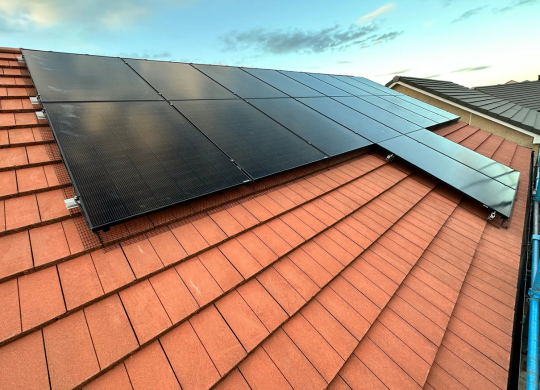
Solar generation used at home can avoid some imported electricity. Exported energy has a different value under the relevant tariff. Output depends on roof conditions and season, so solar will not remove every bill or standing charge.
What can a battery change?
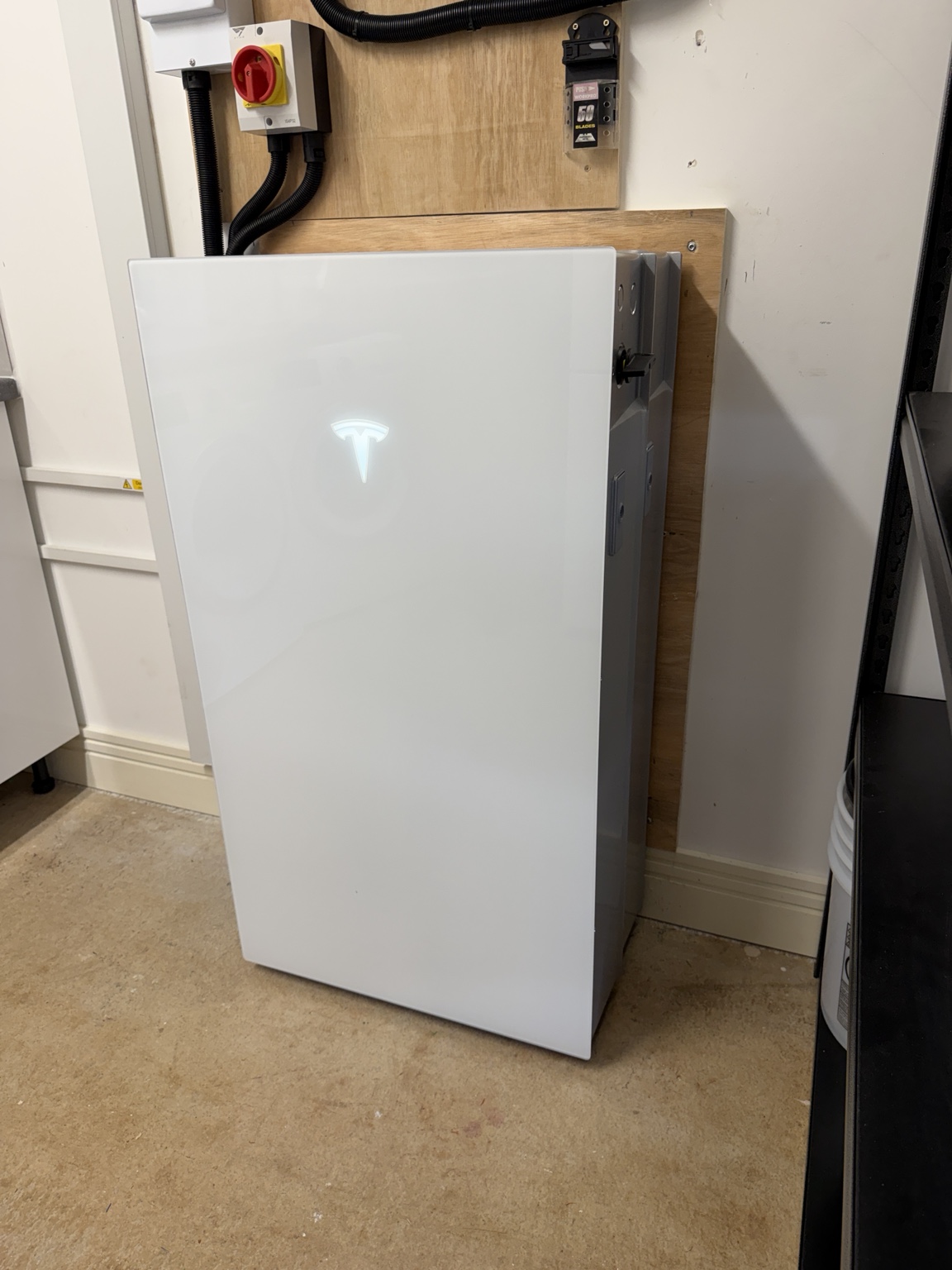
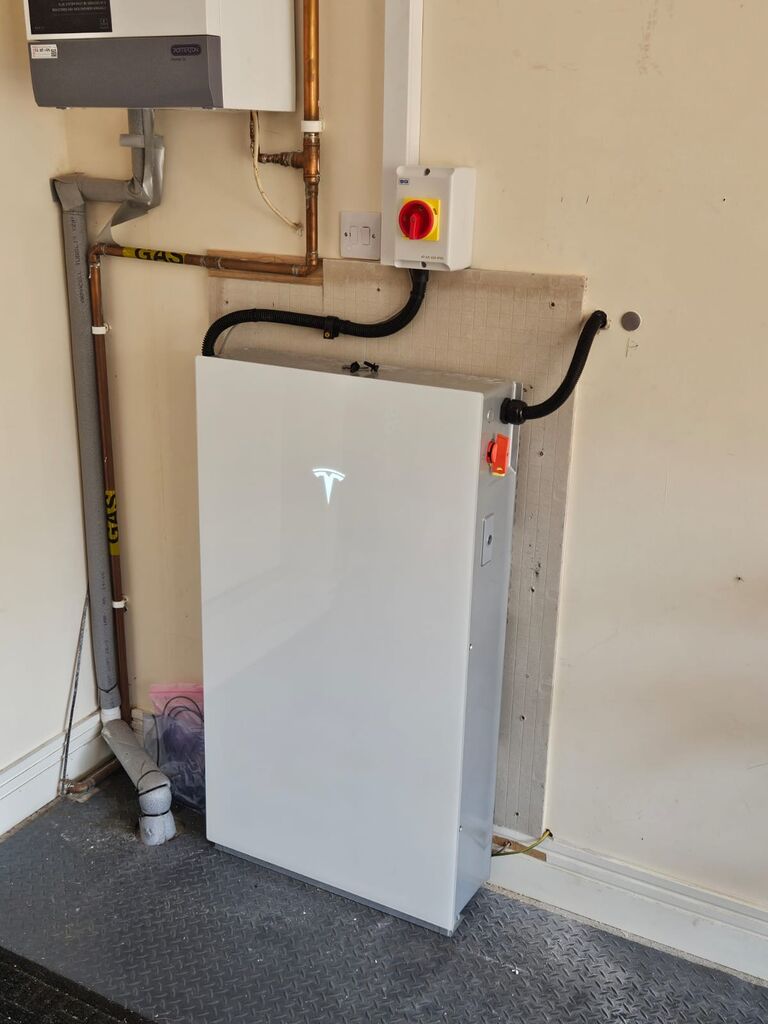
Storage can move energy to later hours or support suitable off-peak charging. Compare the avoided import cost with charging cost, losses, foregone export income and the installed price. A battery is not automatically the cheapest first step for a household.
Assess lower-cost changes too
Review controls, avoidable consumption and tariff suitability. A sensible comparison can include doing nothing, improving efficiency or changing how existing equipment operates before adding hardware.
Use current evidence for a buying decision
Read our electricity tariff guide, solar cost guide and payback calculation. Ask for assumptions based on your property and current tariff, including a less favourable scenario.
Solar design for your property
Renew-Able Solutions assesses roofs and electricity use across Edinburgh, East Lothian and wider Central and East Scotland. Explore our solar PV installation service or contact us for an assessment.
Reviewed 27 September 2026.