Choosing an electricity tariff means comparing the cost of how your household actually uses energy. A low overnight rate can be attractive, but daytime prices, standing charges and export terms may change the result. There is no single cheapest tariff for every home.
Start with a year of electricity use
Use bills and, where available, half-hourly meter data. Separate flexible consumption such as EV charging from demand that must run at other times. Account for planned changes, including a heat pump, new vehicle or home battery.
Compare the complete annual cost
Estimate imports in each time period, multiply by the applicable rate, add standing charges and fees, then subtract eligible export income. Include charging losses and avoid counting the same solar electricity as both self-consumed and exported.
Try a less favourable scenario as well. A tariff that wins only when every charge lands in the cheapest window may not suit a changing routine.
Check what receives the off-peak price
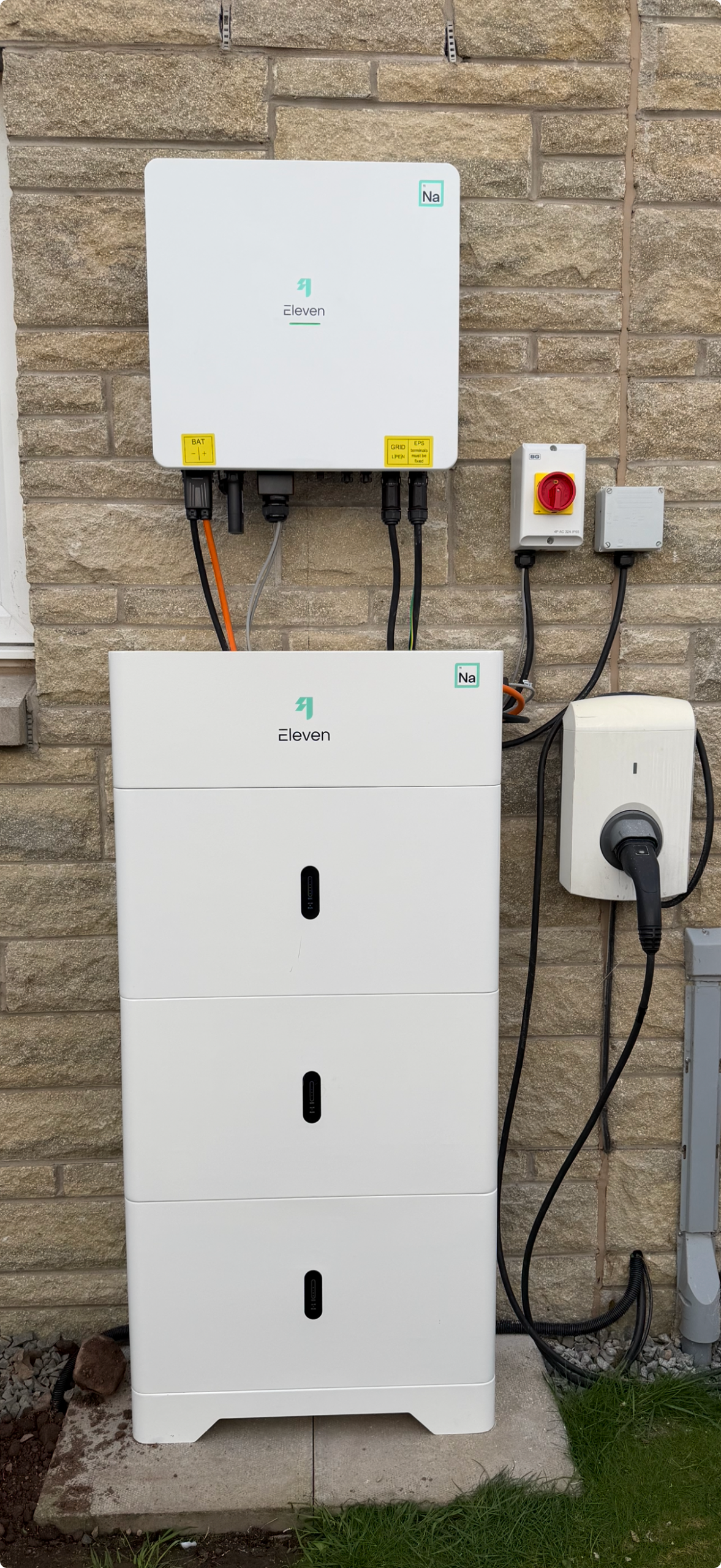
Some offers price all household electricity differently by time; others provide a benefit only for eligible, managed EV charging. Check vehicle or charger compatibility, smart-meter requirements, charging allowances, supplier control and any exit conditions.
Our Intelligent Octopus Go guide explains one option. Verify current prices directly with the supplier for your postcode and payment method.
Solar export and battery operation
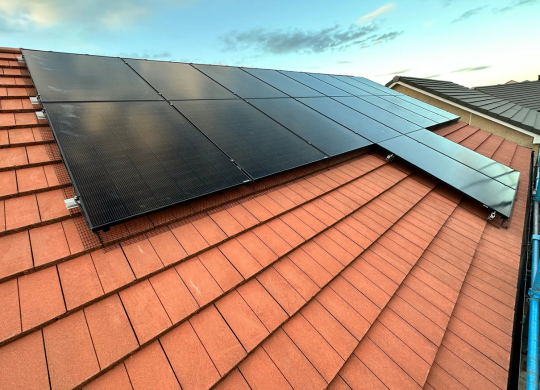
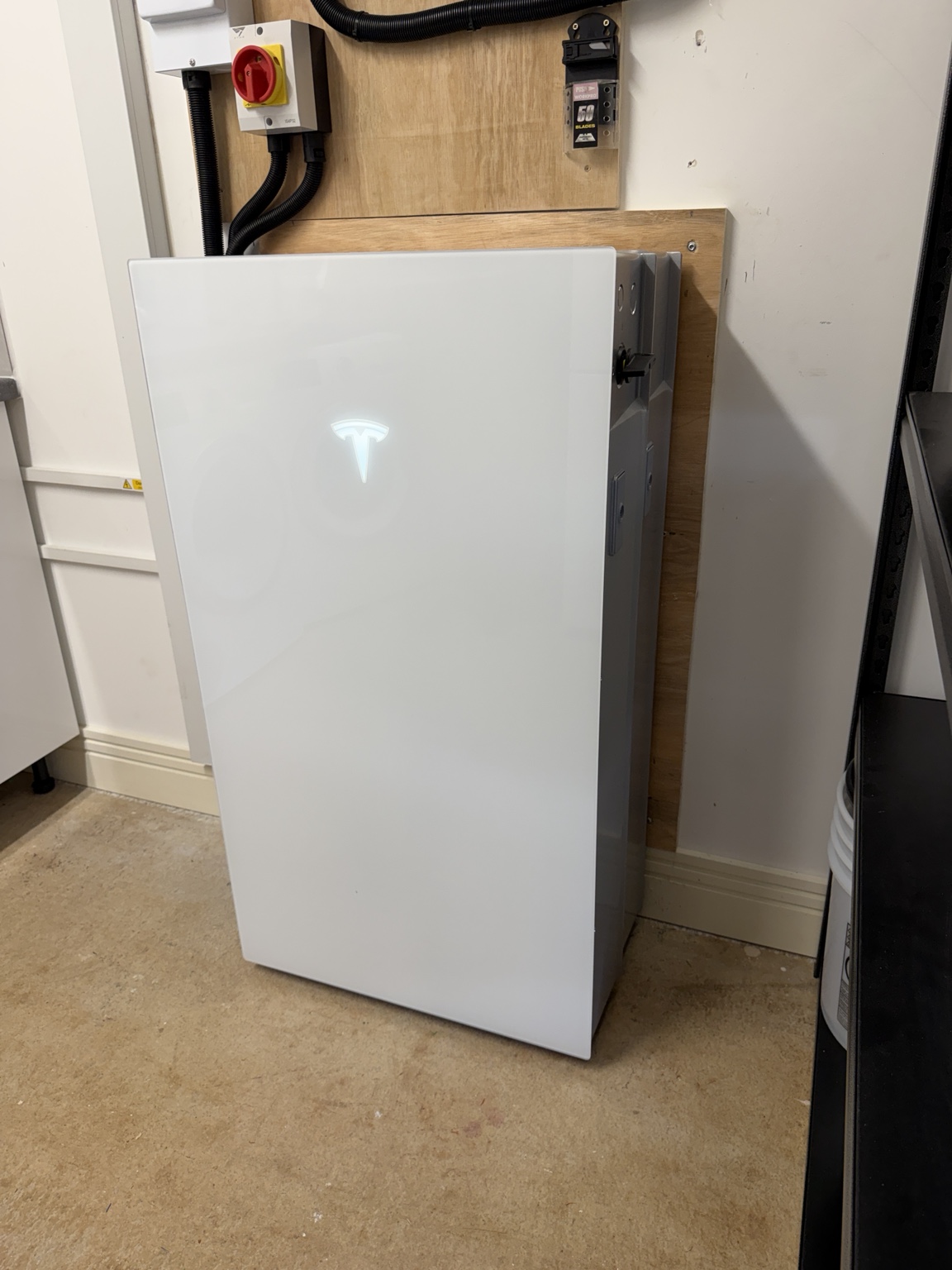
A high export rate may make exporting surplus solar more valuable than storing it, depending on later import costs and battery losses. Check whether your chosen import and export tariffs can be combined, and whether grid-charged battery exports qualify.
Read our Smart Export Guarantee guide and tariff comparison for battery and EV owners.
Choose equipment and controls together
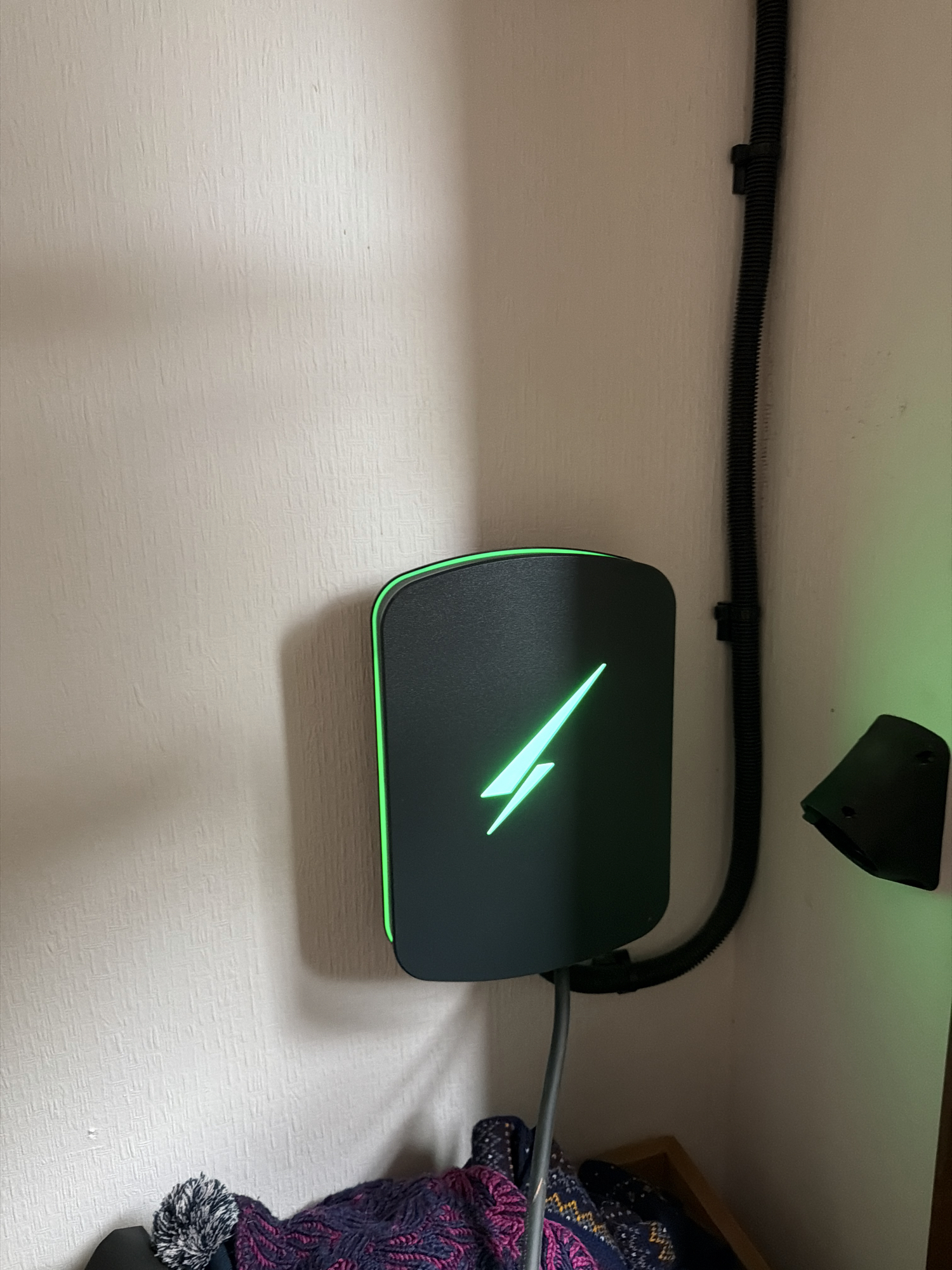
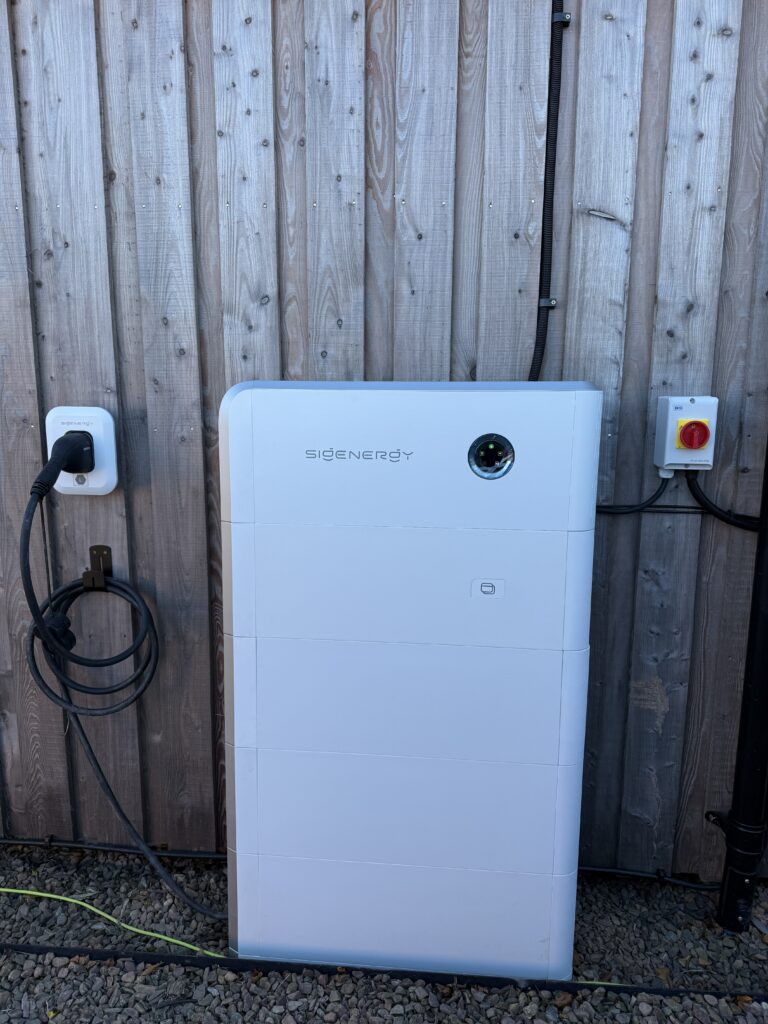
Our battery storage and EV charger installation services consider the tariff and the household load. Contact Renew-Able Solutions for a coordinated assessment in Edinburgh, East Lothian and our wider service area.
Reviewed 27 September 2026. Historical tariff tables and expired promotional assumptions have been removed.